




Social infrastructure
The London Plan, published by the Mayor of London in March 2016, suggests that social infrastructure: ‘Covers facilities such as health provision, early years provision, schools, colleges and universities, community, cultural, recreation and sports facilities, places of worship, policing and other criminal justice or community safety facilities, children and young people’s play and informal recreation facilities. This list is not intended to be exhaustive and other facilities can be included as social infrastructure.’
Gemini Papers: What are connected digital twins?, published by the Centre for Digital Built Britain in 2022, suggests that: ‘Social infrastructure includes services and facilities that meet local and strategic needs and contribute towards a good quality of life. Social infrastructure can include homes, hospitals, schools, sports centres, religious facilities and commercial, industrial and residential buildings. They rely on economic infrastructure to operate and make up the most obvious part of our built environment.’
[edit] Related articles on Designing Buildings
Featured articles
Check out some of the best features and news from Designing Buildings as well as key stories from around the web.
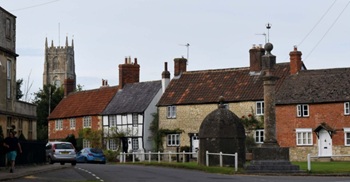
When buildings reflected the local resources available.

CIOB reports 57% are using artificial intelligence technologies.

More of England’s ‘hidden heroes’ will be celebrated.

CIAT calls for retrofit to be a priority.

Version 6 is now available, along with guidance for ECA members.

Post-War Homes: mid-century British architecture. Book review.

CIAT reflects on the party conferences.
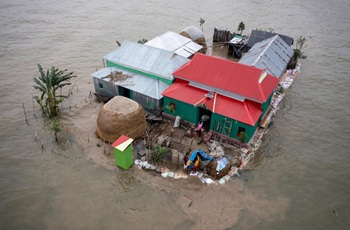
CIOB announce the winners of the Art of Building photography competition.

National Scheme of Delegation introduced.

The cost of employing people remains a concern.
Code of Practice for Electrical Energy Storage Systems.

ECA calls on members to comment on draft 4th edition.

Bringing together expertise and creating cultural benefits.